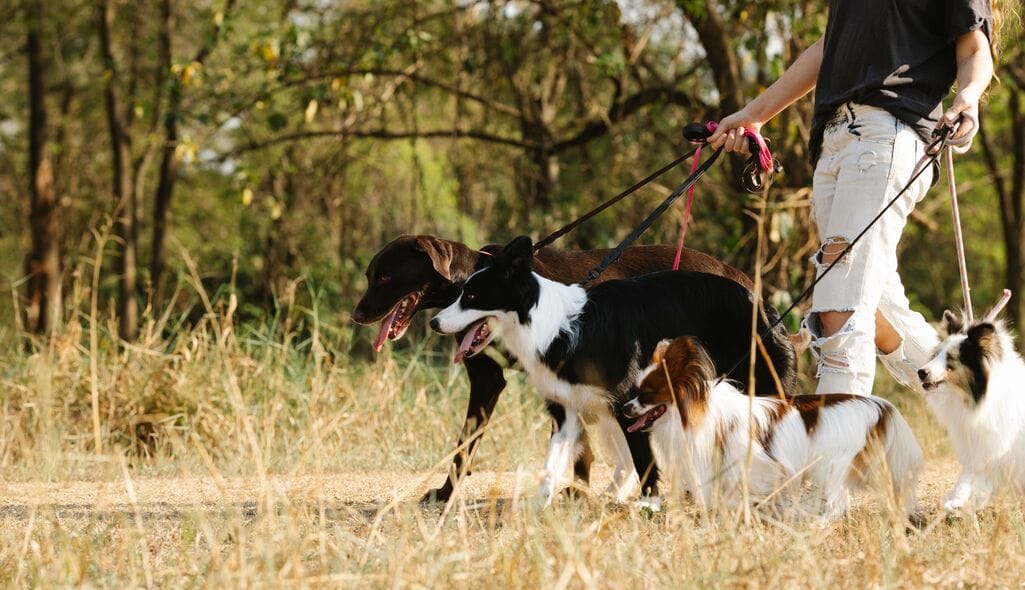
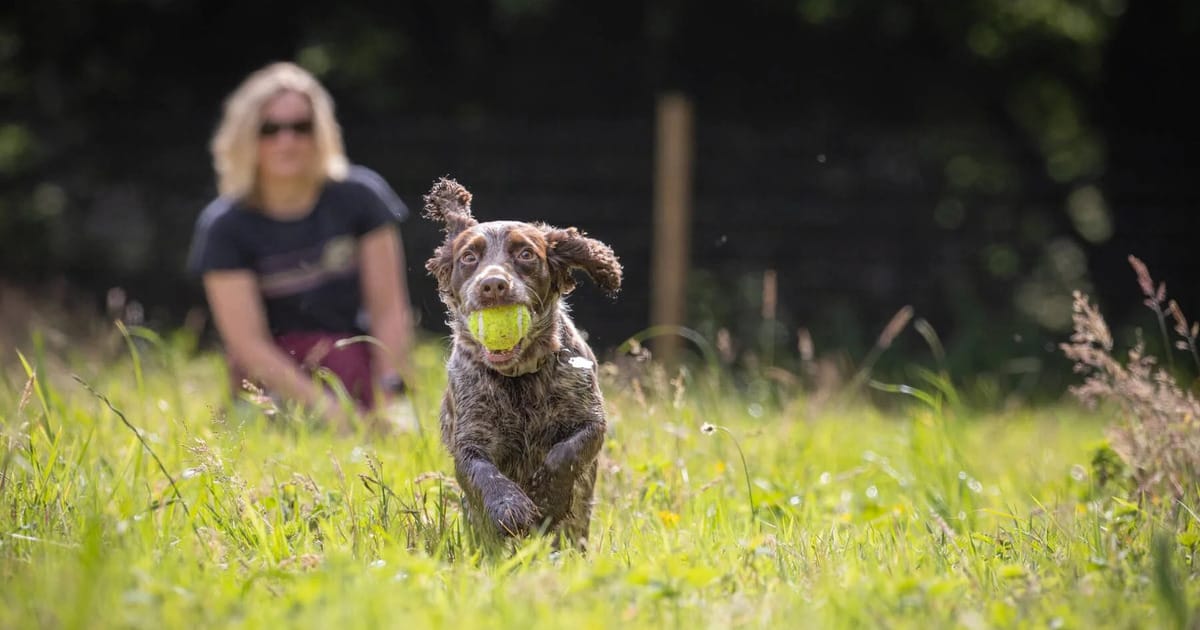
Living in Los Angeles means balancing a vibrant lifestyle with the daily realities of heavy traffic and busy schedules. You want to ensure your dog stays healthy and happy, but figuring out the exact amount of daily exercise they need can feel confusing. Every dog is unique, and their requirements change based on age, breed, and overall health. Finding the right balance is essential for their physical health and their mental well-being. Let us explore how to determine the perfect activity level for your furry companion and ease the guilt that often comes with our fast-paced California lives.
Understanding the Basics of Canine Exercise
Exercise for dogs goes far beyond simply burning off physical energy. It is a fundamental component of their overall health routine and a vital part of their daily happiness. When we talk about exercise, we are really talking about a combination of physical movement and mental stimulation. A good walk or play session engages their muscles, their heart, and their brain all at once.
Many dog owners in Van Nuys and Studio City focus heavily on the physical aspect of exercise. They want their dogs to run hard and sleep soundly at night. While physical fatigue is important, mental fatigue is equally crucial. A dog who uses their brain during a walk will often feel just as tired as a dog who runs for miles. This combination creates a well-rounded and contented pet who feels truly fulfilled.
The Physical and Mental Connection
The link between physical activity and emotional well-being is incredibly strong. Regular exercise releases endorphins that reduce stress and promote a positive mood. It also provides a healthy outlet for instincts like chasing, herding, or simply exploring the world. When dogs do not get enough of this outlet, they often redirect that pent-up energy into unwanted behaviors at home.
Cognitive enrichment is the missing link for many active dogs. Adding puzzle elements to a physical walk transforms a basic routine into an engaging brain game. Sniffing a new bush in Panorama City or navigating a different route through Valley Glen forces their brain to process new information. This mental work tires them out just as effectively as a long run and deeply satisfies their natural curiosity.
Tailoring Activity to Your Breed and Age
There is no single magic number for daily exercise minutes. The right amount depends entirely on the individual dog in front of you. A young working breed mix will need significantly more activity than a senior dog with joint sensitivity. Understanding your specific dog helps you create a sustainable and healthy routine that fits seamlessly into your life.
High-Energy Breeds Versus Low-Energy Companions
Dogs bred for working and herding typically require extensive daily activity. These dogs thrive on having a job to do and can easily handle two hours or more of vigorous exercise. They need activities that challenge both their bodies and their minds to stay balanced and prevent frustration.
On the other hand, smaller companion dogs and brachycephalic breeds often need much less intense activity. A short, gentle walk around the block might be plenty for a pug or a senior terrier. Pushing these dogs too hard can actually cause physical harm and respiratory distress. Always research the specific needs of your dog and consult your veterinarian to establish a safe baseline.
Recognizing the Signs of Overexercise and Underexercise
Finding the sweet spot for your dog requires careful observation and patience. You need to watch their behavior at home to see if their current routine is working effectively. Dogs communicate their needs clearly if you know what signs to look for and take the time to listen to them.
Behavioral Cues to Watch For
An under-exercised dog will often show clear signs of boredom and excess energy. You might notice excessive barking, digging in the yard, or chewing on household items. They may also seem restless and completely unable to settle down when you are trying to relax in the evening.
Conversely, an over-exercised dog might show signs of physical exhaustion or a strong reluctance to move. They could lag on walks, sleep excessively during the day, or show stiffness when getting up from a resting position. If you notice these signs, it is time to reduce the intensity of their workouts and give them more time to rest and recover.
Incorporating Cognitive Enrichment into Daily Walks
You do not always need to add more miles to your day to give your dog the exercise they need. Sometimes, you just need to change how you walk. Making your daily routes more mentally engaging can drastically improve your dog’s satisfaction and reduce their need for excessive physical running.
Allow your dog to sniff freely for extended periods during the walk to process environmental scents.
Change your walking route regularly to expose them to new sights, sounds, and smells.
Bring high-value treats and practice short training sessions at local parks to help them stay focused.
Walk on different surfaces like grass, dirt, and sand to engage their balance and physical senses.
Adapting to the Los Angeles Climate and Lifestyle
Living in the San Fernando Valley means dealing with intense summer heat and long, demanding workdays. You must adapt your exercise routine to keep your dog safe from heatstroke and burned paw pads during the warmer months. Early morning and late evening walks are essential when the temperatures rise.
The busy LA lifestyle also means you might not always have the time for a long hike or an extended play session. This is where professional support becomes incredibly valuable for your peace of mind. A midday dog walker can break up your dog’s day, providing a crucial mental and physical break. This prevents boredom and ensures they get their required activity even when your schedule is packed.
The right amount of exercise is a unique balance for every single dog. It requires adjusting to their age, respecting the local climate, and fitting into your personal schedule without causing you undue stress.
- Your dog shows signs of boredom or destructive behavior by the afternoon.
- Your work schedule makes it difficult to provide consistent midday exercise.
- You want to ensure your dog gets specialized cognitive enrichment during the day.
- Your dog needs socialization and structured play to remain emotionally balanced.
Determining the right amount of exercise for your dog is a rewarding journey of observation and adjustment. By focusing on both physical movement and mental enrichment, you can create a routine that keeps your dog healthy, happy, and perfectly balanced. Pay attention to their cues, respect their physical limits, and do not hesitate to seek professional help when your busy California lifestyle gets in the way. Your dog deserves a fulfilling life filled with joyful movement and engaging experiences.
References
Josefin Söder, Roman, E., Berndtsson, J., Lindroth, K., & Bergh, A. (2024). Effects of a physical exercise programme on bodyweight, body condition score and chest, abdominal and thigh circumferences in dogs. BMC Veterinary Research, 20(1). https://doi.org/10.1186/s12917-024-04135-3
Pickup, E., German, A. J., Blackwell, E., Evans, M., & Westgarth, C. (2017). Variation in activity levels amongst dogs of different breeds: results of a large online survey of dog owners from the UK. Journal of Nutritional Science, 6(e10), e10. https://doi.org/10.1017/jns.2017.7
Wells, D. L. (2004). A review of environmental enrichment for kennelled dogs, Canis familiaris. Applied Animal Behaviour Science, 85(3–4), 307–317. https://doi.org/10.1016/j.applanim.2003.11.005