
Whether you’re heading out of town for business or planning a much-needed vacation, boarding your dog is a responsible way to ensure they’re cared for while you’re away. But preparing your dog for an overnight boarding stay isn’t as simple as dropping them off with a quick goodbye. Packing the right items can make the experience smoother, safer, and more comfortable for your pet.
This guide walks you through everything you should pack, why each item matters, and how to help your dog feel at home—even when they’re not.
Why Packing Properly Matters
Boarding is a big change for your dog. A new environment, new people, and new smells can be exciting for some pups and stressful for others. The more familiar and well-prepared they are, the easier the transition will be.
The right items can help:
- Keep a consistent routine
- Reduce anxiety and homesickness
- Prevent digestive problems and allergies
- Ensure clear communication with the staff
- Make your dog feel happy and secure
- First aid training and emergency procedures
- Daily health checks for arriving dogs.
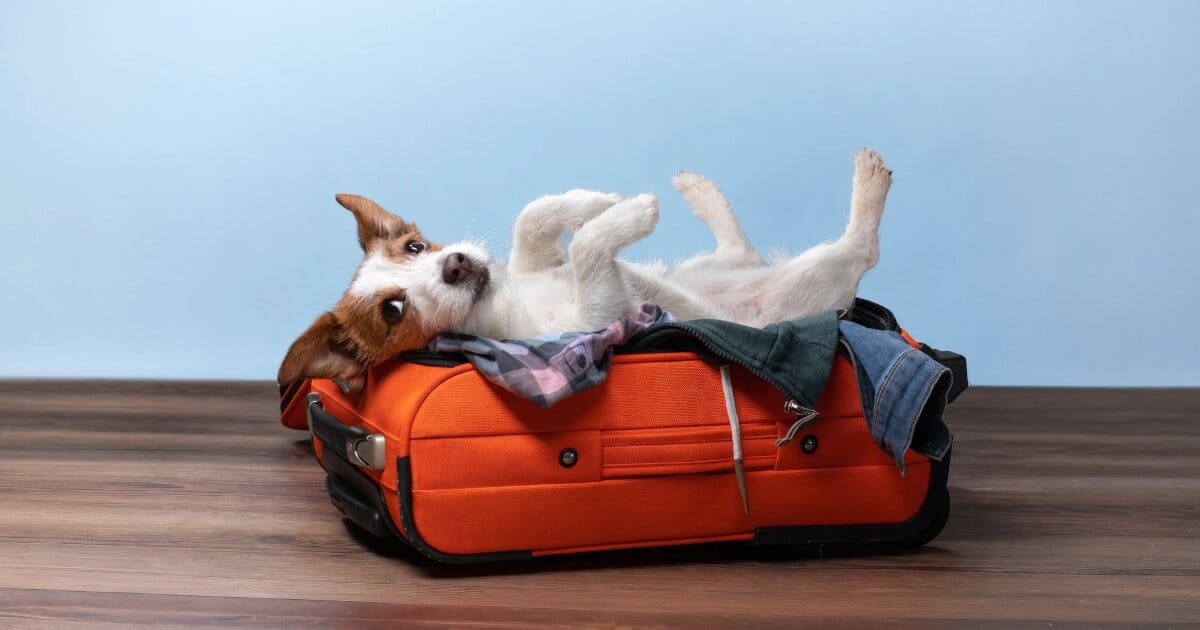
Think of your packing list as your dog’s overnight suitcase—filled with the comforts and structure they depend on daily.
The Ultimate Boarding Checklist
Below is a complete list you can use for your dog boarding away from home:
Essential Items
| Item | Why It’s Needed |
| Food (pre-portioned) | Prevents stomach upset from diet changes |
| Medications + instructions | Keeps your dog’s health routine consistent |
| Vaccination records | Required for safety and compliance |
| Emergency contact info | For quick communication if needed |
| Collar & ID tags | Identification and safety |
| Leash | For easy handling during transitions |
Tip: Portion your dog’s food by meal in labeled zip-bags for a stress-free schedule.
Comfort Items
| Item | Benefit |
| Favorite blanket or bed | Familiar scent eases anxiety |
| A favorite toy or chew | Provides comfort and prevents boredom |
| Something with your scent | Clothing or towel can reduce separation stress |
Comfort items help the facility feel less like a hotel and more like home.
Care & Hygiene Items
| Item | Purpose |
| Dental chews | Keeps teeth clean during longer stays |
| Treats | Positive reinforcement and special rewards |
| Poop bags | If required by the facility |
| Grooming needs | Brush or wipes if your dog has a high-maintenance coat |
Most facilities provide basic care supplies—but if your dog has unique needs, bring them.
Optional Extras
| Item | Why You May Want It |
| Puzzle toys or slow-feeders | Helps with anxiety and mental stimulation |
| Special feeding bowls | For dogs with dietary or orthopedic needs |
| Crate | If your dog sleeps better in their own space |
Always double-check what is allowed. Some boarding facilities restrict certain toys for safety.
What NOT to Pack
To keep all dogs safe and operations running smoothly, most facilities do not allow:
- Rawhide or easily-breakable treats
- Food bowls that are sentimental or fragile
- Large bones or high-value toys that may trigger guarding
- Anything that may be swallowed, ripped, or become a choking hazard
If in doubt, ask the boarding staff before your arrival.
How to Prepare Before Drop-Off
Beyond packing correctly, a few extra steps can help your dog succeed:
Keep Feeding Consistent
Stick to the same food your dog eats at home. Sudden changes can cause stomach upset—especially under stress.
Update Vaccinations Early
Most boarding facilities require:
- Rabies
- Bordetella (kennel cough)
- DHPP (Distemper/Parvo)
Make sure updates are done at least a week before boarding so immunity is in full effect.
Include Written Instructions
Even experienced staff benefit from clear instructions:
- Feeding times
- Medication schedules
- Allergies
- Behavioral notes (nervous around big dogs, resource guarding, etc.)
- Emergency contact preferences
The more information you provide, the better the care.
Label Everything
Place your dog’s name on bags, medications, toys, and bedding. This keeps items organized and ensures nothing is misplaced.
The Boarding Drop-Off Routine
On the day of boarding:
- Keep drop-off positive and low-key
- Avoid dramatic goodbyes—it increases anxiety
- Give staff time to check items and ask questions
- Confirm pick-up date and time
Dogs take emotional cues from you. If you act calm and confident, they will too.
During the Stay
Most facilities offer:
- Photo or video updates
- Report cards about playtime and behavior
- Communication if any issues arise
Don’t hesitate to ask about your dog—professional staff is there to support you and your pet.
10 FAQs About Boarding Your Dog
Most facilities require puppies to be at least 4 months old and fully vaccinated.
Yes. Keeping their diet consistent prevents stomach problems.
Bring it clearly labeled with dosage instructions. Staff will administer it as directed.
Some dogs miss home, but familiar items and engaged staff help them settle quickly.
Most modern boarding services include playtime or daycare. Ask what the daily schedule includes.
Structured boarding with gradual exposure can build independence, but extremely anxious dogs may need training first.
Discuss details with staff ahead of time. Some facilities specialize in seniors, medical needs, or behavior-focused support.
Dogs can stay for days or weeks if their emotional and health needs are monitored. Regular communication helps ensure comfort.
Provide detailed instructions and avoid any food or treats the facility may not recognize.
Staff contacts your veterinarian or emergency vet immediately, using the emergency contacts you provide.
Final Thoughts
Boarding your dog doesn’t have to be stressful. The key is preparation. When you pack thoughtfully—focusing on health, comfort, and familiar routines—you set your dog up for a safe and enjoyable stay. The right items can make your dog feel confident, relaxed, and cared for while you’re away.
A well-organized boarding bag means peace of mind for both of you. And when you come back, you’ll be greeted by a happy pup who had a vacation of their own.