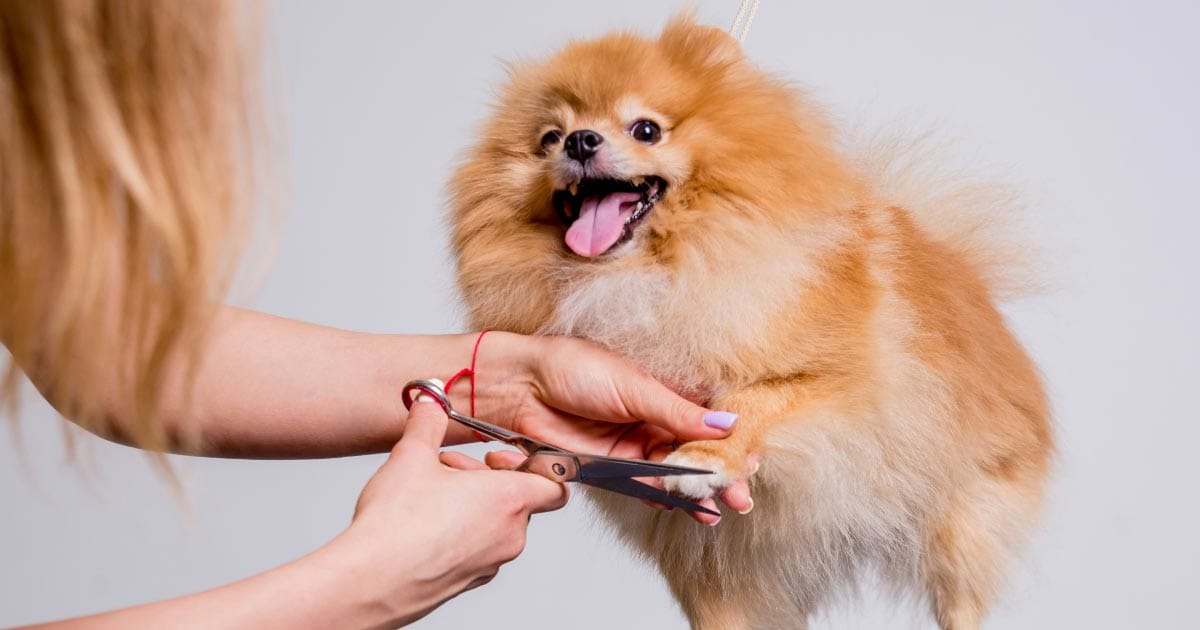

Grooming isn’t just about making your dog look cute—it’s a vital part of maintaining their overall health. A clean, well-groomed dog is less likely to suffer from skin issues, matting, infections, and discomfort. But how often should your dog be groomed? The answer isn’t one-size-fits-all. It depends on your dog’s coat type, activity level, age, and lifestyle.
This guide explains how frequently each part of your dog’s grooming routine should happen and how to build a personalized schedule that keeps them looking and feeling their best all year long.
Why Grooming Matters
Grooming goes far beyond baths and haircuts. Regular care promotes:
- Healthy skin and coat
- Reduced shedding
- Comfortable movement (no painful matting)
- Early detection of health problems like fleas, lumps, or ear infections
- Better hygiene for a cleaner home and happier family
Skipping grooming for too long can lead to painful tangles, trapped dirt, and even restricted blood flow in severe matting cases. Routine grooming is essential for your dog’s physical and emotional well-being.
How Often Should Dogs Be Groomed?
Different parts of grooming have different recommended schedules. Here’s a simple breakdown:
| Grooming Activity | Recommended Frequency |
| Brushing | Daily to weekly (depends on coat type) |
| Bathing | Every 4–8 weeks |
| Haircuts | Every 4–12 weeks (depending on breed) |
| Nail trimming | Every 3–6 weeks |
| Ear cleaning | Every 2–4 weeks |
| Teeth brushing | Daily or at least 3× a week |
| Anal gland expression | As needed (some dogs require monthly checks) |
The best routine is one that fits your dog’s unique needs. Below, we break it down by coat type to help you find the perfect schedule.
Coat-Type Grooming Schedules
Long-Haired Breeds
Examples: Golden Retrievers, Afghan Hounds, Collies
These dogs are prone to tangles and shedding.
- Brush: Daily or every other day
- Bath: Every 4–6 weeks
- Haircut: Every 6–10 weeks
- Extra care: De-shedding treatment during seasonal coat changes
If mats form too aggressively, grooming becomes painful—staying on top of brushing is key.
Curly or Non-Shedding Breeds
Examples: Poodles, Doodles, Bichon Frises, Portuguese Water Dogs
Their coat grows continuously and can mat extremely fast.
- Brush: Daily
- Haircut: Every 4–8 weeks
- Bath: Every 4–6 weeks (usually combined with haircut)
These breeds often visit professional groomers the most. Consistent care prevents the dreaded shave-down due to matting.
Short-Haired Breeds
Examples: Beagles, Boxers, French Bulldogs, Pit Bulls
These dogs shed, but don’t need haircuts.
- Brush: Weekly
- Bath: Every 6–8 weeks
- Extra care: Regular ear and wrinkle cleaning (if applicable)
Short-haired dogs are often misunderstood—less hair does not mean less maintenance. Many have sensitive skin and require gentle shampoos.
Double-Coated Breeds
Examples: Huskies, German Shepherds, Shiba Inus, Akitas
These dogs shed heavily and rely on coat layers for temperature regulation.
- Brush: 2–3× weekly
- De-shed: Monthly or during heavy shedding seasons
- Bath: Every 6–10 weeks
- Haircuts: Avoid shaving — it can damage the coat and reduce insulation
Professional de-shedding reduces loose hair, improves comfort, and keeps their skin healthy.
Wire-Haired Breeds
Examples: Schnauzers, Wire-Haired Terriers
These coats require a special technique called hand-stripping.
- Brush: 2× weekly
- Hand-strip or haircut: Every 6–10 weeks
- Bath: Every 4–6 weeks
Hand-stripping maintains coat texture and prevents irritation that clipping can cause.
Seasonal + Lifestyle Considerations
Your dog’s activity level and environment affect grooming needs:
| Factor | Impact |
| Active, outdoors a lot | More frequent baths and brushing |
| Allergies or sensitive skin | Special shampoos and shorter intervals |
| Older or mobility-limited | Extra help keeping nails short and coat mat-free |
| Puppy coat transitions | More grooming during shedding from puppy to adult coat |
Dogs with lots of pool or beach time may need more frequent rinsing to prevent skin drying or salt buildup.
Signs Your Dog Needs Grooming Sooner
Pay attention to these red flags:
- Strong dog odor or oily coat
- Visible matting or knots
- Dirt buildup around paws, belly, and ears
- Scratching, shaking head, or licking paws often
- Long nails clicking on floors
- Tear stains becoming darker or crusted
If anything looks uncomfortable or abnormal, don’t wait—book an appointment.
Building Your Dog’s Grooming Calendar
A simple structure to follow:
Weekly
- Brushing
- Ear + paw check
- Quick hygiene wipe-downs
Monthly
- Bath
- Nail trim
- Teeth cleaning if due for professional care
Every 6–12 weeks
- Full groom (bath + haircut + nails + brush-out)
The more consistent you are, the easier your dog’s appointments become—and the happier and healthier they’ll be.
Professional Groomer vs. At-Home Care
A great routine often combines both:
| At Home | Professional Grooming |
| Daily brushing | Haircuts and styling |
| Quick face/eye cleaning | Deep coat de-shedding |
| Teeth brushing | Sanitary trimming |
| Paw wipe-downs | Nail grinding and shaping |
| Ear cleaning | Spotting skin or coat problems early |
Professional groomers are trained to identify issues you may not notice, such as skin infections, lumps, or parasites.
10 Frequently Asked Questions About Grooming
When should a puppy get their first grooming?
Around 10–16 weeks, once they have key vaccines. Start with short sessions to build comfort.
How do I know if my dog’s nails are too long?
If you hear clicking on the floor or see nails affecting posture, they’re overdue.
Can I bathe my dog too often?
Yes. Frequent bathing can strip natural oils and dry the skin. Use a gentle, dog-specific shampoo and follow the recommended schedule.
What happens if my dog gets matted?
Mats tug at the skin and can trap moisture and bacteria. Severe cases often require shaving to avoid pain.
Do dogs really need their teeth brushed?
Absolutely. 80% of dogs develop dental disease by age 3. Brushing helps prevent painful infections and bad breath.
How long does a professional grooming appointment take?
Usually 2–4 hours, depending on size, coat condition, and temperament.
Should double-coated dogs ever be shaved?
No—shaving can damage the coat, affect temperature regulation, and cause skin problems.
What kind of brush should I use?
It depends on coat type:
- Slicker brushes for curly/long coats
- Rubber brushes for short coats
- Undercoat rakes for double coats
Will grooming help with shedding?
Yes. Regular brushing and professional de-shedding treatments lower loose hair in your home significantly.
My dog hates grooming—what can I do?
Start slow, use positive reinforcement, and work with a groomer who specializes in anxious or sensitive dogs. Short, frequent visits build confidence over time.
Final Thoughts
Grooming is a lifelong necessity, not a luxury. Establishing a schedule that fits your dog’s needs ensures they stay clean, comfortable, and healthy. Whether your dog has a fluffy, curly coat or a sleek short one, the right mix of at-home care and professional grooming will make a tremendous difference.
Remember, when your dog looks good, they feel good—and their wellbeing is worth every effort.